




Riccardo Zara, director of sustainability at chapmanbdsp gives an introduction to 24/7 carbon-free energy from a corporate perspective.
The UK’s electricity system is entering a period of transformation as decarbonisation accelerates and renewable generation becomes the backbone of supply. At the same time, rising electricity demand driven by electrification of heat, transport and digital infrastructure is increasing pressure on an already constrained and increasingly intermittent grid. This shift brings with it a growing need for flexibility.
It is made clear within the UK Government’s 2025 Clean Flexibility Roadmap that a flexible energy system is essential to maintaining reliability, reducing system costs as well as enabling a renewables‑led grid. For organisations, this represents a fundamental change from passive consumers of electricity to active participants who can shape when energy is used, not just how much. This change presents an opportunity to drive both carbon reduction and improve commercial performance.
The Roadmap outlines how consumer‑led flexibility will scale rapidly, driven by stronger price signals and planning reforms that encourage demand to move away from peak and high‑carbon periods. Not only does this provide businesses with greater access to flexible tariffs, but new commercial models that reward shifting consumption to cleaner and lower‑cost hours. In practice, organisations will be able to reduce energy spending and improve emissions by aligning their operations with the real‑time grid conditions.
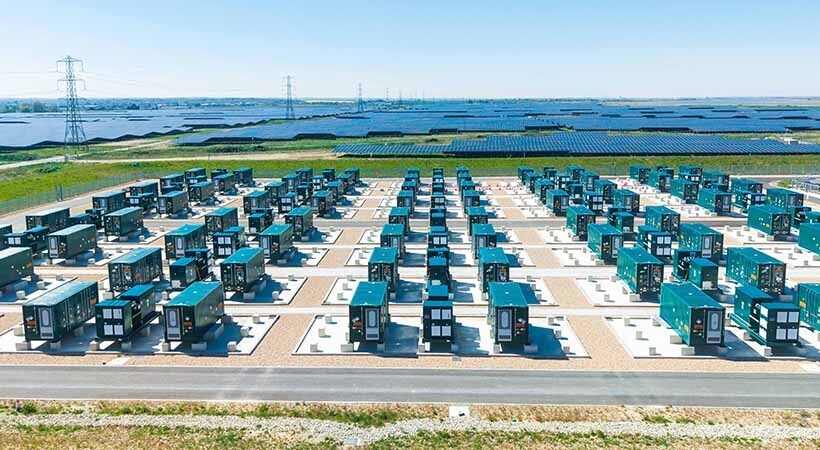
Battery Energy Storage Systems (BESS) are emerging as a critical enabler of this transition, as they provide 24/7 carbon‑free energy. By storing electricity during periods of high renewable output and low system demand, then discharging during higher‑carbon or higher price hours, BESS provides a controllable source of clean power. This strengthens an organisation’s ability to match demand with cleaner grid conditions, which in turn reduces Scope 2 emissions. BESS will also allow organisations to enhance cost control and operational resilience, ensuring the business has continuity and stability if disruptions occur.
Functioning as the flexibility layer between intermittent renewable generation and fixed or semi-fixed building loads, BESS reduces exposure to carbon intensive peak periods. It supports load shifting without relying solely on changes to occupancy patterns or operational schedules. When integrated with metering and advanced energy management platforms, battery storage enables data‑driven optimisation and prepares organisations for evolving regulatory expectations around transparency and real‑time reporting.
With relatively simple and cost-neutral design adjustments, most buildings could be enabled to flex their energy demands in response to external signals. This could include the incorporation of thermal storage within heating and cooling systems, allowing energy to be stored and released at optimal times, as well as the implementation of an advanced Building Management System (BMS). Most modern buildings already include a robust control strategy, and this can be extended to enable demand response functionality, such as load shifting, peak shaving, and automated response to time-of-use tariffs or carbon signals.
As electricity prices become increasingly influenced by renewable energy availability, battery systems can allow buildings to store low-cost, low-carbon electricity and use it during peak periods. Subject to the energy tariff structure agreed, this approach could offer attractive financial returns, with potential payback periods in the order of five to seven years. Additionally, emerging sustainability frameworks, including BREEAM New Construction Version 7, are increasingly recognising the value of energy flexibility.
A confidential client chapmanbdsp is supporting demonstrates how this can work in practice. Their strategy recognises that the next phase of corporate energy leadership must move beyond broad annualised claims of “100% renewable electricity” and towards hourly matching of demand with clean generation. By integrating BESS across a growing share of their UK operations, they plan to use detailed data to reduce greenwashing and unlock new operational and financial value. The client aims to power all of its offices with more than 90% carbon-free electricity by 2030, and their approach acknowledges system constraint, positioning real‑time matching not as a target, but as a commercial commitment.
The strategic ambition is to enable hour‑by‑hour matching of office electricity consumption with renewable generation, reducing reliance on traditional tariffs. Companies need to adopt a deeper focus on understanding and shaping when electricity is consumed as opposed to how much. Emerging technologies such as BESS will be central to improving emissions, as the UK transitions to a cleaner, more dynamic energy system.