




Data generation in smart buildings is at an all-time high. Sensors, building management systems, energy platforms and occupancy analytics now provide us real-time insights into how buildings operate and where their performance could be improved.
These technologies are revolutionizing building management. Environmental sensors assess air quality, energy platforms measure consumption in real time and building management systems maximise heating, cooling, and lighting. These systems comprise innovative, sustainable solutions that are strategic to enhancing efficiency and flexibility in the built environment.
But as buildings and development projects have grown more data-rich, a new challenge is developing. The problem is no longer producing data; it’s understanding that data in a way to facilitate more evidence-based decision making and trustable intelligence.
The growing challenge of fragmented building data
All this data can be helpful in navigating an environment unique to modern spaces, but while new buildings produce huge volumes of data, significant amounts of that information sits across several different systems, consultants, and reports.
Operational systems generate performance data, sustainability teams track ESG metrics, project teams hold delivery information and asset managers assess operational results. Each dataset has potentially great value on their own, but organisations are often challenged in joining these sources together for a consolidated view of their assets.
For organisations responsible for managing many developments or a property portfolio, this fragmentation may effectively undermine the value of smart building technology to deliver.
A single building may be equipped with intelligent systems capable of producing detailed insight. But organisations must also understand how buildings compare to each other, the patterns that emerge, benchmark performance, and assess risks across portfolios.
Without structured and comparable insight, those comparisons become difficult.
Structuring insight across development programmes
At N3, we work with surveyors, developers and project teams managing complex development programmes where large volumes of project and building information are generated across multiple systems and reports.
From site constraints and structural design decisions to sustainability strategies and building systems, development projects produce extensive data throughout their lifecycle. However, this information is often distributed across planning documentation, consultant reports, and internal reporting tools.
Structuring this information consistently across programmes allows organisations to create comparable insight across portfolios and strengthen oversight of delivery and long-term asset performance
Through N3’s sustainability tools, environmental, social and governance (ESG) data can be captured and structured alongside core project information. This includes key indicators such as carbon emissions, sustainability strategies, certifications, and community impact metrics. By bringing this information into a single platform, organisations can benchmark the ESG performance of their developments against both their own portfolio and anonymised industry data, while generating consistent sustainability reporting for investors, regulators, and other stakeholders.
Building portfolio intelligence
With digital technologies increasingly shaping the built environment, structuring and interpreting data between programmes is becoming increasingly important.
The next phase of digital transformation may not simply be about making individual buildings smarter. Instead, it is about enabling organisations to create portfolio level intelligence, allowing leadership teams to benchmark developments, identify emerging risks and make better informed project decisions.
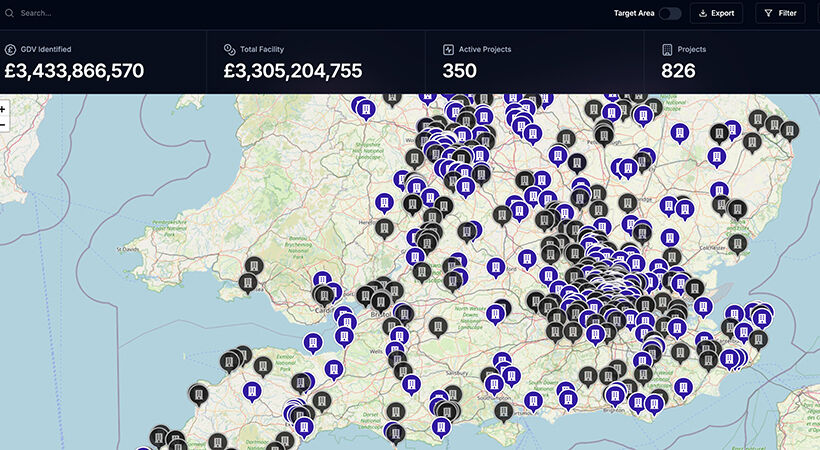
This is the challenge N3 was designed to address. By centralising project data across developments into one single platform, N3 enables teams to benchmark performance, monitor risk and analyse trends across their entire portfolio. The platform aggregates live and historical development data, providing real-time analytics and comparative insight, empowering organisations to make quicker, evidence-based decisions.
Rather than viewing projects in isolation, N3 enables organisations to connect data across developments - transforming fragmented information into actionable portfolio intelligence.
The next phase of smart buildings
Smart building technologies will continue evolving, generating even more data about how well buildings work and how they can be improved.
The organisations that stand to gain most from these advances will not simply be those with the most data, but the ones that can establish the framework, governance and visibility needed to turn that data into meaningful insight.
In a data-rich built environment, the real value of our smart buildings does not reside with the technology embedded within them - but how effectively the information they produce can be understood at project, programme, and portfolio levels.
To learn more about how N3 helps organisation’s structure sustainability data and benchmark ESG performance across development portfolios, visit the N3 Platform.